

How Not To Lose
posted on: May 18, 2022
author: Brian Lomax, Ed.D.
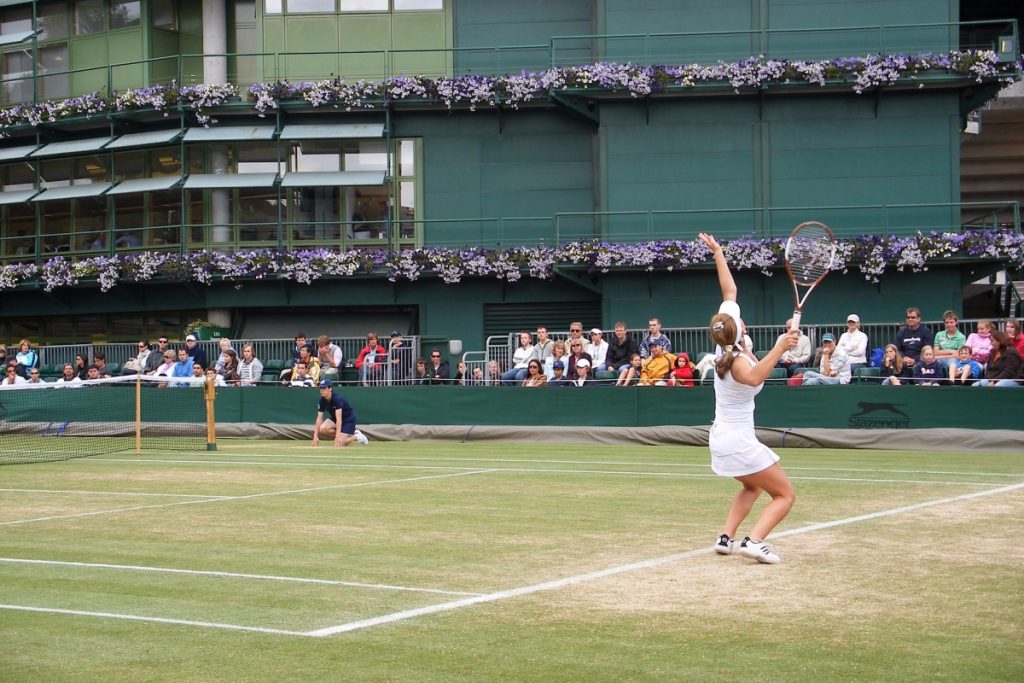
“Before you learn how to win, you have to learn how not to lose.”
On the path to becoming a great competitor, you will learn many lessons, and one of the most difficult lessons in sport is learning how not to lose, how not to give it (the point, the game, the match) away. The phrase “how not to lose” may seem confusing at first, especially since it concerns “not” doing something. Nevertheless, it is an important concept for you to embrace on your way to becoming a champion.
Giving It Away
In tennis, many matches are lost rather than won. Points and games are given away by one player rather than earned by the other. This occurs because players commit avoidable mental and physical errors in response to stress over circumstances such as the score, thinking about the result, who the opponent is, the opponent’s game plan, and a myriad of other distractions. Losing in this manner occurs at all levels of the game including at the professional level. (Note: When one player puts another under pressure/stress, and that player breaks down and loses, that is an earned victory, but for this discussion, I will focus on the “losing” part of this dynamic).
In order to learn how not to lose, you must develop a plan for dealing with those situations that are excessively stressful for you so that you can minimize your unforced errors.
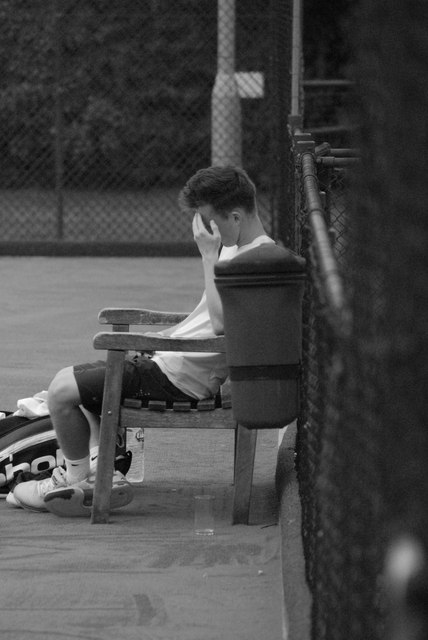
Losing
As noted above, there is a lot of losing going on in tennis. Most points end on errors, not winners. Given the nature of the scoring system in the sport, some of these errors are more consequential than others. For instance, a missed drop shot in the net on a deuce – no ad point has more repercussions than the same error on the first point of a game. Obviously, the deuce point is also a more stressful situation for players, thus increasing the risk of some type of physical or mental error to be committed.
In some matches, the player who emerges victorious was the one who “lost” a bit less. Have you ever noticed this when watching a match? If not, watch a match and note if you see players earning the win with great play throughout or if players are making avoidable mistakes at crucial moments? There will be some of both of course, but you will likely observe a lot of unforced errors and/or tentative play under pressure.
Pressure And Stress
Mistakes in crucial moments are often due to the lack of coping resources for the amount of stress you are experiencing in the moment. When overwhelmed by stress, players typically react in one or more of the following ways:
- Unproductive emotions (anger, frustration, dread, anxiety)
- Try to end points earlier (overly aggressive, hitting drop shots from poor positions, poor shot selection, and bad decision making)
- Become overly passive or tentative (pushing, hitting the ball short in the court, choking)
- Rush between points and lose discipline with routines
- Unproductive/negative self-talk
- Poor body language
- Effort and fight decrease (tanking)
- When facing better players, feeling the need “to do more” (more aggressive, play up to the opponent’s level, more pace)
There is a lot of overlap in the reactions above, so they are not necessarily discrete items. But the above reactions are signals that your mental game is breaking down; it is not equipped or prepared to handle the stress of this particular match or situation. This causes you to give points and games away. This adds up to “losing.”
Necessary Experiences
Learning how not to lose means learning how to deal with the stress you feel under various circumstances in matches so that you can reduce your physical and mental errors in those situations. This is a process – a process of enlightenment. When you experience stress or anxiety in a match, and perform poorly in it, it’s okay. This is simply a sign that you needed this experience in order to become a great champion. Embrace that, and realize that champions are forged through pressure, stress, failure, success, and challenges. If becoming a champion were easy, everyone would do it.
Recall that tennis is a life project for you. If you lose a match, you are not a loser. You are not a failure. You simply experienced failure, and something about your tennis project needs work. Something about how you handle stress on the court needs work. Such breakdowns due to stress are learning opportunities. The question is, do you have the courage to see them as learning opportunities? Can you bring more awareness to the process of recognizing your stress reactions and then improving them over time? Remember, when you “lose” points or matches, it is simply a sign that you needed this experience. Learn to be grateful for these experiences as they will help forge you into a champion.
“When the environment is dedicated to learning, the result takes care of itself.”
-Bill Walsh
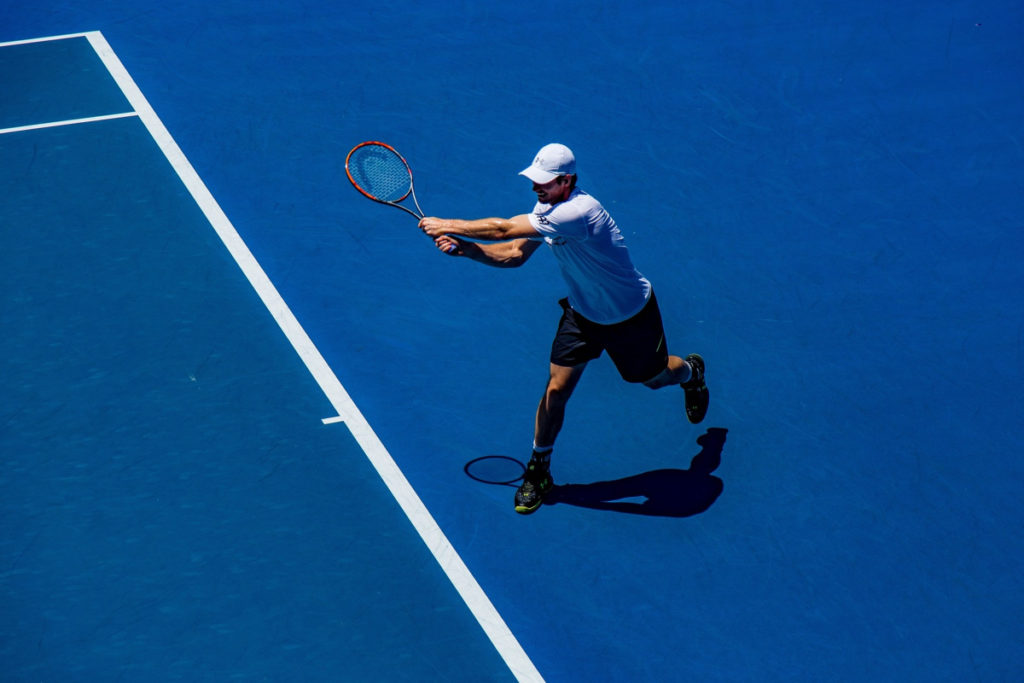
How Not To Lose
At its core, learning how not to lose is about minimizing your errors, especially those caused by pressure. When you notice that you are having a stress reaction to a particular situation (see the list above for examples), use the following steps to help you respond more competitively:
Positive Identity
Create a positive identity for yourself, such as warrior, fighter, or professional tennis player, and connect with the virtues of being that identity (disciplined, focused, confident, competitive, etc.). When you connect with a positive identity of yourself and its virtues, you are much more likely to handle pressure better. It’s a reminder of who you want to be.
Disciplined Process
Bring discipline to your process of playing points and to your between points routine. This will help you to establish more control over your play and bring you into the present moment. A disciplined process for playing points refers to your use of patterns, directionals, targets, patience, and consistency. Feel free to use spin, power, and aggressiveness within the bounds of a disciplined process. Once a point is over, strictly follow your between points routine with a goal of being 100% present focused when the next point begins.
100% Positive/Productive
Use your self-talk to build confidence and belief, and to provide you with productive actions to execute. Use your coaching voice and address yourself in the 2nd person (i.e., you can do this, hit your forehand high and heavy). This self-talk should be in agreement with your identity and your process. It should help you focus on what you actually want.
Enjoy the fight
To battle the stress of winning and losing, you must learn to enjoy the actual process of competing. That is a key component of being competitive. Tell yourself to enjoy the fight, enjoy the battle. These simple statements will help you to engage better in the points. The more you repeat them, the less stress you will feel and the more you will enjoy yourself.
Conclusion
Once the match is over, examine your stress reaction and investigate the beliefs and attitudes that led to the breakdown. There is likely an opportunity to upgrade your personal philosophy on competition and excellence, and their purpose in your life. However, following the above steps will help you minimize physical and mental errors in the moment. Even if the result does not go your way, at least you will have made your opponent earn the win. And that will make you a very difficult opponent in the future.
Follow PerformanceXtra



Share This Post


About the Author
Dr. Brian Lomax founded PerformanceXtra™ in 2009 with a mission of helping athletes achieve their goals and their top performances more consistently through a progression of mental skills that enables them to focus on what is truly important.
Learn more about the author: https://performancextra.com/brian-lomax/
2 responses to “How Not To Lose”
Leave a Reply
774.285.4179
PerformanceXtra™ © 2026 All rights reserved
Follow PerformanceXtra
Share This Post
web design by: Gordon Multimedia
Great post, Brian. I appreciate your insight and how you provide actionable models to work with. I am a big fan of Tennis IQ podcast, too.
Ben, thank you for your reply! And thanks for supporting the podcast.